We all wanted to have a solid and fast ERTMS deployment across Europe, but so far the project is not gaining speed and only a few projects could be deployed. What did go wrong and how can we redesign the approach to faster reach our common objectives? To cut it short, in my opinion, there … Continue reading Redesign ERTMS deployment across Europe
The success of the cable car in Latin America
The Economist published today another article about the success of the cable car in Latin America where they explain that the following factors are key for its success: Landscape of the cities (hilly) Fast construction time (the mayors can cut the ribbons within their legislative) Little displacement of people Positive development effects in the respective … Continue reading The success of the cable car in Latin America
Cities that never have been built – sometimes for the better
Every time I visit Paris I am positively surprised that even though the city center has undergone countless transformations over time, it still kept its human scale. In the past, many architects and city planners have, as for most other cities or urban developments, proposed radical changes to Paris. From brutalist architecture to garden cities … Continue reading Cities that never have been built – sometimes for the better
Why HBR does not understand innovation
Surprisingly, there are still people who confuse correlation with causality. Even more surprising is that these people appear to be able to publish on HBR in this (paid?) post. Overall it seem that they are seeking to push software solution for management of R&D projects within large corporations. That tool, as far as I understand … Continue reading Why HBR does not understand innovation
Investing in concrete or intelligence
This fall, the Swiss transport authority (Bundesamt für Verkehr -BAV) announced the plans to invest heavily in railway infrastructure until 2035. Over 200 Projects and 11.5 bn CHF will be invested in tunnels, concrete and steel across the country. Last Sunday, an NZZ article (in German) has allowed an alternative view on the intended infrastructure … Continue reading Investing in concrete or intelligence
A common misconception of the city
Last week, a Swiss Think Tank published this interview about the development in trade in a city. I want to utilize this as a good example of the challenges and common misconception that we face when thinking about the future urban area. First of all, it follows the concept of ceteris paribus (other things equal). … Continue reading A common misconception of the city
Why rolling stock consolidation plans are flawed and should be abolished
Last week, it became clear that not only Bombardier and Siemens but also Alstom and Siemens appear to be in merger discussions. This is why I would like to point out a bit the rationale behind these two proposals and explain why I think their plan is flawed. Reasons for consolidation First of all, it is … Continue reading Why rolling stock consolidation plans are flawed and should be abolished
The effects of natural disasters on urban sprawl
Since all stakeholders seek the utmost flexibility when planning a town, it is not surprising that government regulations are perceived as blockage for innovation and development. However, the recent - and ongoing - events in Texas demonstrate once more the value of forward looking government regulations to limit loss of life, economic and environmental exposure. … Continue reading The effects of natural disasters on urban sprawl
The Mechanics of Surveys and Consultants’ recommendations
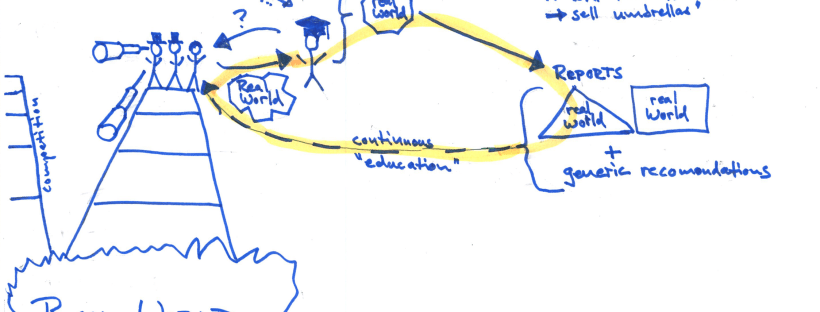
A topic that I seem to come across more recently are strategy and management consulting firms creating great surveys and reports about the transport (or any other industry). These reports, often including fancy graphics and pointing out towards a generic recommendation offer great layout, great haptics and a wonderful simplified view of the world. In … Continue reading The Mechanics of Surveys and Consultants’ recommendations
The Death of Strategy and Management Consulting
While I think it is is truly great what the top five strategy consulting firms have brought to many industries in terms of structured analysis of the world that guide companies through a complex world, I have to say that I think there is no need for them anymore. When looking at how tech companies … Continue reading The Death of Strategy and Management Consulting